- Irth’s NYC Hospital Safety Assessment and Birth Experience Report draws on nearly 2,000 reviews of the city’s 20 most-reviewed birthing hospitals, the organization said.
- Nearly 60% of participating reviewers reported concerning staff behavior, including dismissed pain, ignored requests for help and pressure to accept unwanted treatment, according to Irth’s report announcement.
- The findings describe participating reviewers’ experiences, not all New York City deliveries. Separate city health data document persistent racial disparities in pregnancy-related deaths and serious childbirth complications.
What reviewers reported
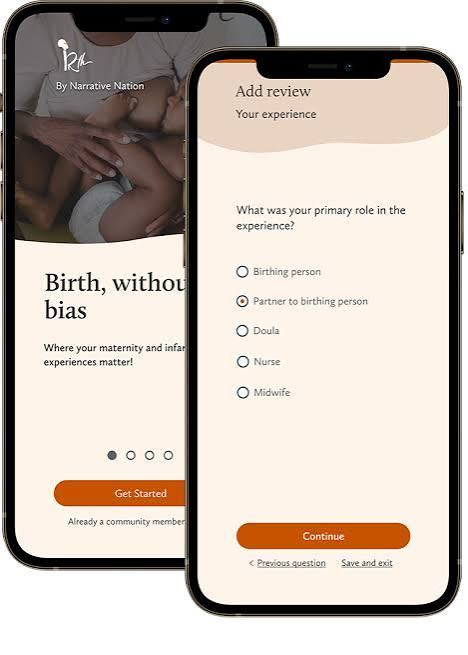
Women reported that their pain was dismissed, help was refused and unwanted treatment was provided during childbirth at New York City hospitals, according to a new report from Irth, an app that shares anonymous maternity, birth, postpartum and pediatric care reviews from Black and brown parents.
The findings raise questions about hospital accountability and informed consent, and center families’ experiences in conversations about safer, more respectful maternity care.
Irth’s NYC Hospital Safety Assessment and Birth Experience Report draws on nearly 2,000 reviews of the city’s 20 most-reviewed birthing hospitals. Nearly 60% of participants reported concerning staff behavior, including condescending comments, ignored requests for help and pressure to accept unwanted treatment.
The community-powered assessment centers Black and brown birthing people and New York City birth workers. Its findings describe participating reviewers’ experiences, not the prevalence of mistreatment among everyone delivering at these hospitals.

The organization’s roots
Kimberly Seals Allers founded Irth to connect families’ stories with changes in maternity care. Its name means birth without the “B” for bias. The platform is the signature technology initiative of Narrative Nation, a New York City-based, Black-led nonprofit that uses technology, media and storytelling to address maternal and infant health disparities. In 2021, New York Health Foundation supported a pilot that brought Irth’s consumer-review approach into a New York City hospital setting.
Turning stories into change
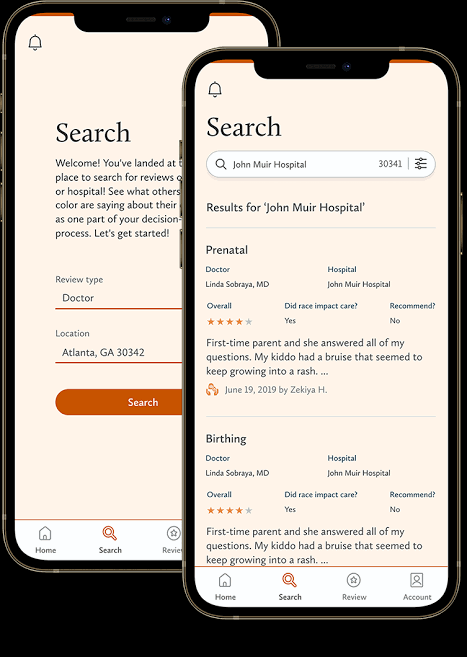
“When I created Irth, I envisioned a two-pronged movement: families sharing their stories to help keep one another safe, and the data from those stories driving systems change,” Seals Allers said. “This report brings both sides of that vision to life.” The platform accepts anonymous reviews of prenatal, birth and postpartum experiences.
Those accounts can inform other families while documenting concerns that hospitals might otherwise overlook or fail to recognize as recurring problems.

The wider danger
City health data show that these concerns exist alongside persistent racial disparities. In 2022, Black New Yorkers accounted for a disproportionately large share of pregnancy-associated deaths compared with their share of births. These deaths include any cause during pregnancy or within one year afterward. That definition is broader than pregnancy-related deaths, which result from pregnancy or its effects; neither measure establishes that mistreatment reported in Irth’s assessment caused an individual death.

The bigger question
Earlier efforts provide examples of action. New York City passed a maternal health legislative package in 2022, and its doula initiative subsequently expanded community support. With those efforts underway, how should hospitals and city leaders like Mayor Zohran Mamdani turn repeated complaints into enforceable consent protections, timely pain responses, and independently verified improvements families can see before choosing where to deliver?

The stats
- Black New Yorkers had a pregnancy-associated mortality ratio of 127.3 deaths per 100,000 live births in the five-year average reported for 2022. This includes deaths from any cause during pregnancy or within one year afterward. Source: New York City’s 2025 Mayor’s Management Report. nyc
- Black New Yorkers were six times as likely as white New Yorkers to die from pregnancy-related causes during 2016-2020. Unlike pregnancy-associated mortality, this measure concerns deaths caused or aggravated by pregnancy. Source: NYC Health Department. nyc
- Black women and birthing people accounted for 42.4% of NYC pregnancy-associated deaths in 2022, despite accounting for 17.5% of live births. These percentages describe their shares of deaths and births, not an individual mortality rate. Source: NYC Health Department testimony, October 2025. nyc
- Non-Hispanic Black women were approximately 2.6 times as likely as non-Hispanic white women to experience a life-threatening pregnancy complication. Source: NYC Health Department’s “The State of Doula Care in NYC, 2025.” nyc
- Nearly 60% of participants in Irth’s NYC assessment reported concerning staff behavior. The finding applies to participating reviewers and should not be generalized to all NYC deliveries. Source: Irth’s report announcement.
Additional resources
- National Maternal Mental Health Hotline — A federal resource offering free, confidential emotional support. Pregnant and postpartum women and their loved ones can call or text 1-833-852-6262. Support is available around the clock.
- Healthy Start — A federally funded program supporting health before, during and after pregnancy. Local projects assess families’ health and social needs. Care coordinators connect participants with appropriate services.
- Maternal, Infant, and Early Childhood Home Visiting — A federal program supporting evidence-based home visiting. Funding helps states and territories build service networks for pregnant people and families. It differs from Healthy Start, which directly funds local organizations.
- Special Supplemental Nutrition Program for Women, Infants, and Children — WIC
WIC serves eligible pregnant and postpartum women, infants and young children at nutritional risk. Benefits include supplemental foods, nutrition education and breastfeeding support. The program also provides referrals to health care and community services. - Baby Yams — Tatyana Ali founded this baby-quilt company to advance her maternal-health advocacy. It supports Black and Indigenous birth workers. Part of its proceeds supports Birth Future Foundation grants for midwives, doulas and students.