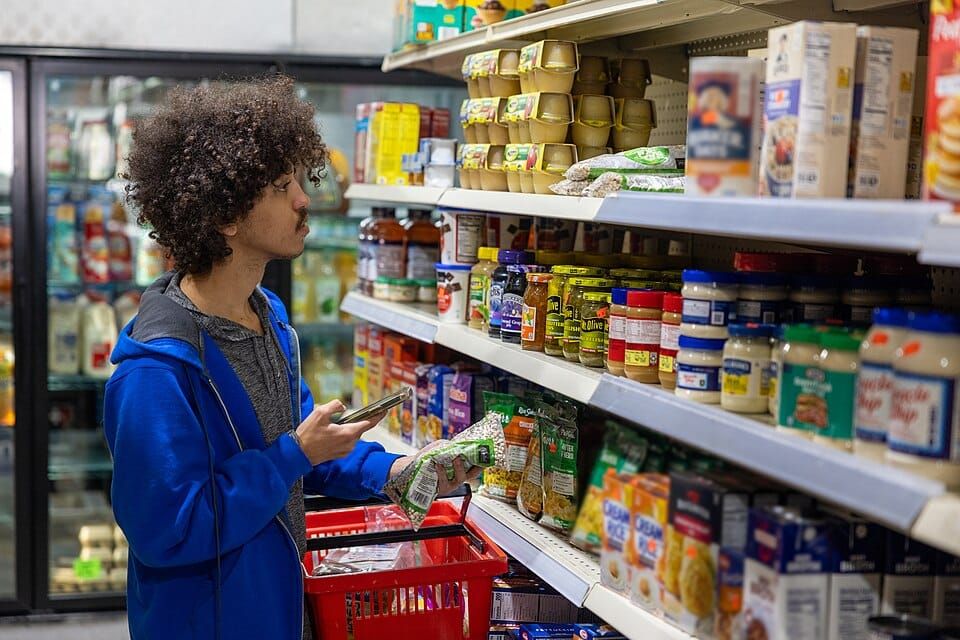
- A new Feeding America survey finds many people facing hunger are borrowing money, delaying bills and turning to food banks to afford groceries.
- Six in 10 respondents said they do not feel financially stable, while 52% relied on credit cards, loans or borrowed money to keep food on the table.
- The findings point to sustained demand for charitable food and government nutrition assistance, alongside concerns about reliable access to both.
Financial strain is widespread
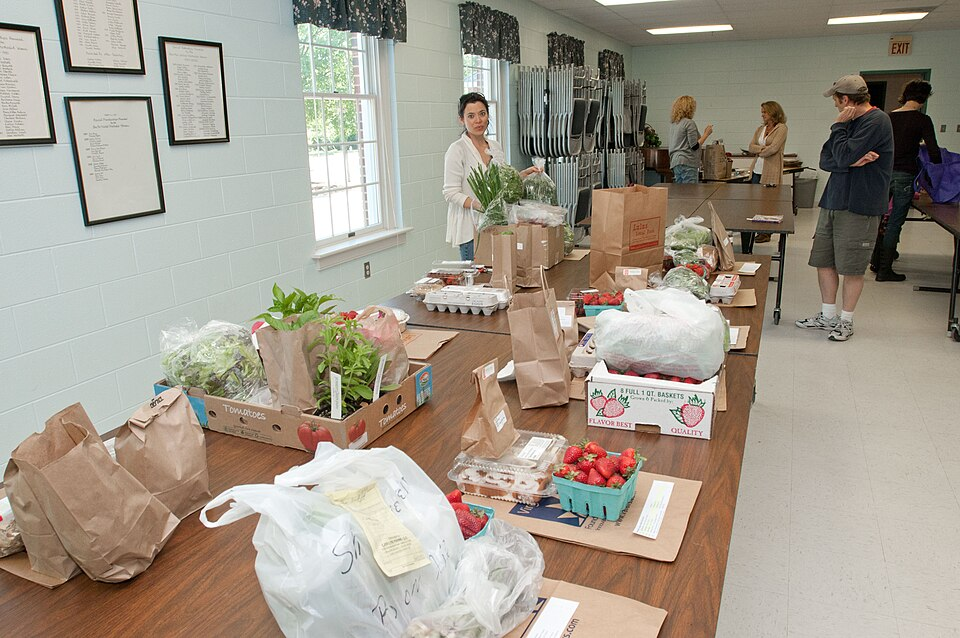
Many people facing hunger are putting off essential expenses to buy food, according to Feeding America’s 2026 Elevating Voices: Insights Report. The survey included more than 1,200 people who received charitable food assistance or experienced food insecurity in the past two years. Nearly half said they delayed paying bills, including rent or medical expenses, to afford groceries.
“I can’t afford everything because prices keep going up and jobs aren’t paying enough,” one Florida participant said.
The findings describe the experiences of those surveyed, rather than all U.S. households.

Food banks fill the gap
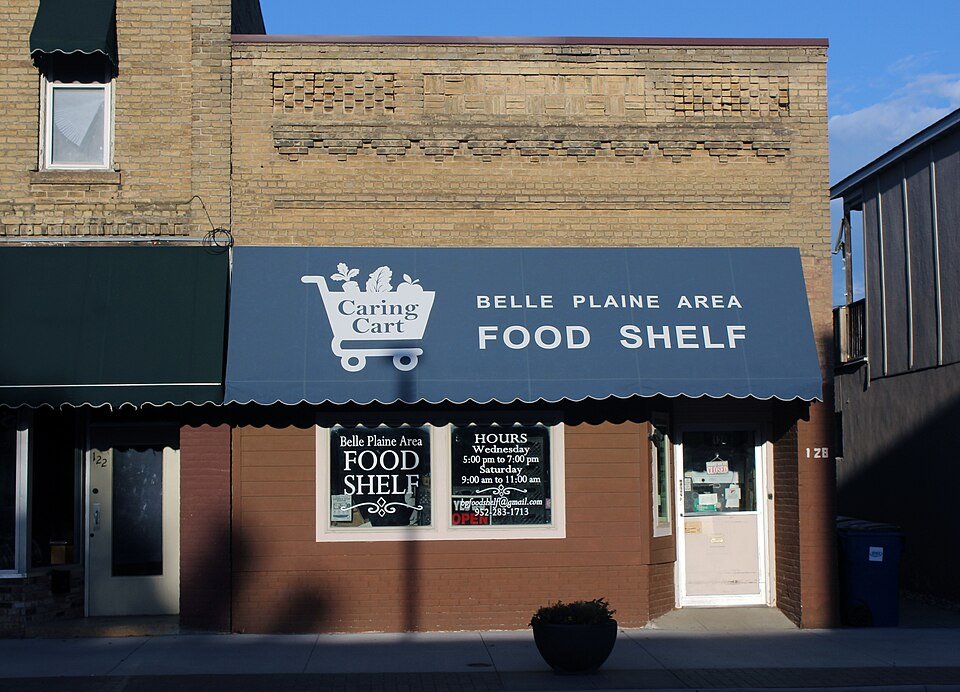
Respondents described turning to alternative resources to help cover their food needs.Among those who received charitable food assistance in the past year, 90% said it was important in helping them afford food. Still, 55% said they were concerned about steady, reliable access to charitable food.
“We had to start using food banks and ask the community for help,” a Montana participant said.
Those responses highlight both the importance of food assistance and the uncertainty people face when planning how to feed their households.
Nutrition benefits remain important
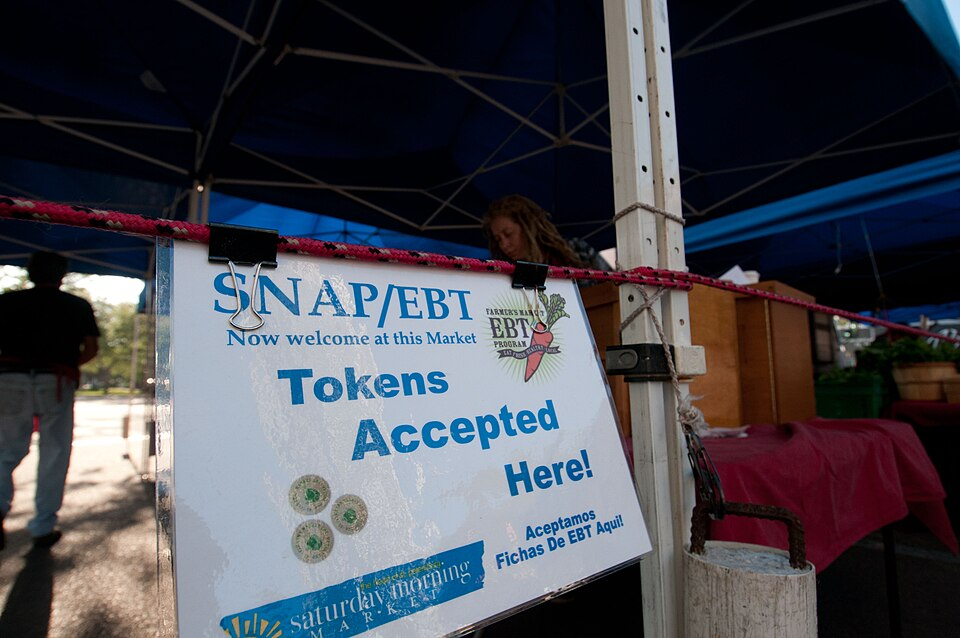
The survey also underscored the role of the Supplemental Nutrition Assistance Program, commonly known as SNAP. Among respondents receiving SNAP benefits, 95% said the assistance was important to their ability to afford food.
But 57% of surveyed SNAP households reported reduced benefits over the past year. Among current beneficiaries, 79% worried recent changes would make it harder to keep or receive assistance.
A call for action
For many respondents, food insecurity was also a policy priority. Eighty-six percent said it was a serious problem lawmakers should prioritize. Taken together, the findings show how respondents depend on a combination of household income, borrowing, charitable food and government assistance. When one source falls short, they may have to delay other expenses or seek additional help to afford groceries.
The bigger question
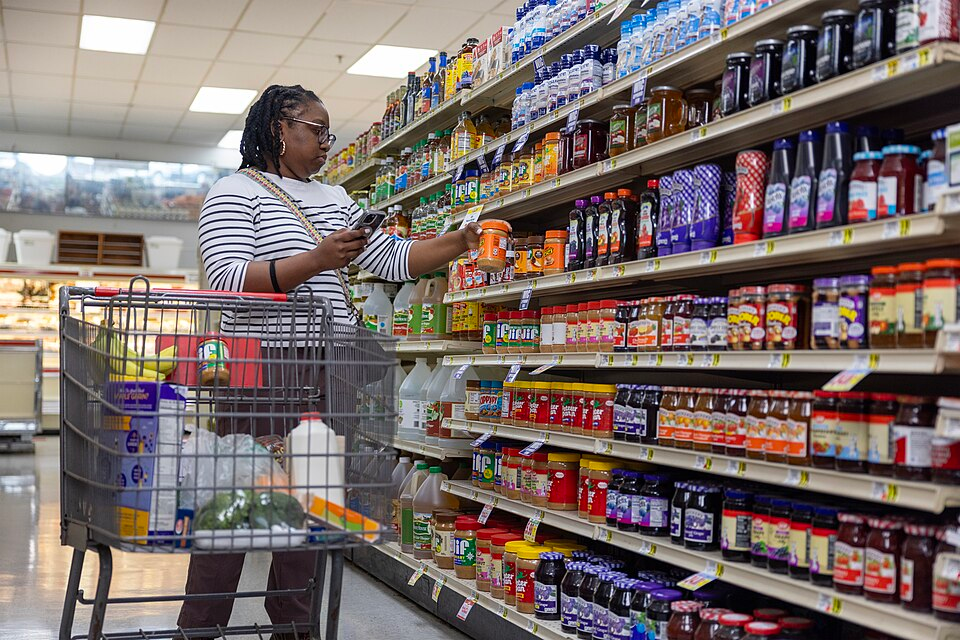
Despite extraordinary national wealth, millions of households still must choose between groceries and basic needs such as rent, medicine and transportation. The survey’s findings raise a deeper question about the country’s values and priorities: How can one of the richest nations in the world accept rising food insecurity while so many families are forced to borrow money or delay essential bills just to eat?
The stats
Feeding America’s survey documents financial strain among people with recent experience of food insecurity or charitable food assistance:
- Six in 10 respondents said they did not feel financially stable.
- Nearly half delayed paying bills to afford groceries.
- 52% relied on credit cards, loans or borrowed money to keep food on the table.
- 55% expressed concern about reliable access to charitable food.
- 57% of surveyed SNAP households reported a benefit reduction over the past year.
- 86% said food insecurity was a serious problem lawmakers should prioritize.
Additional resources
- WIC: Provides supplemental foods, nutrition education and health referrals for low-income pregnant, postpartum and breastfeeding people, infants and children up to age 5.
- National School Lunch Program: Provides nutritionally balanced, free or low-cost lunches to eligible children each school day.
- Summer Food Service Program: Provides free meals and snacks to children and teens 18 and younger at schools, parks and other eligible locations during summer breaks.
- The Emergency Food Assistance Program (TEFAP): Supplements the diets of low-income Americans by providing emergency food assistance at no cost through food banks and pantries.
- Commodity Supplemental Food Program (CSFP): Provides monthly nutritious USDA food packages to eligible low-income adults age 60 and older.