By: Sara Safransky, Vanderbilt University; Elsa Noterman, Queen Mary University of London, and Madeleine Lewis, Vanderbilt University
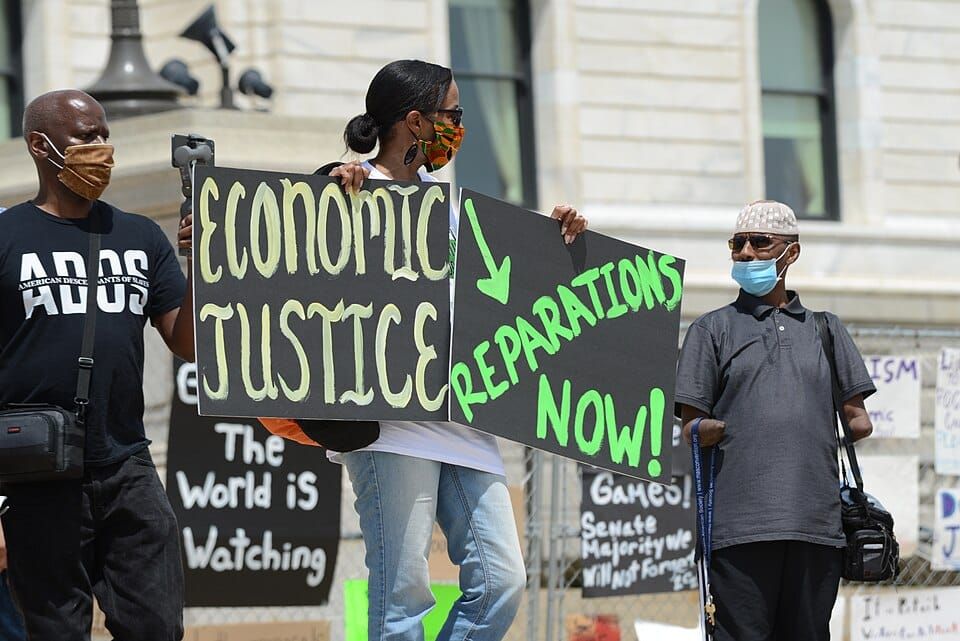
More than 225 reparation initiatives across the United States are working to address slavery and colonization, with more than half focusing on land return, according to geographers who have documented these efforts since 2021.
The local push
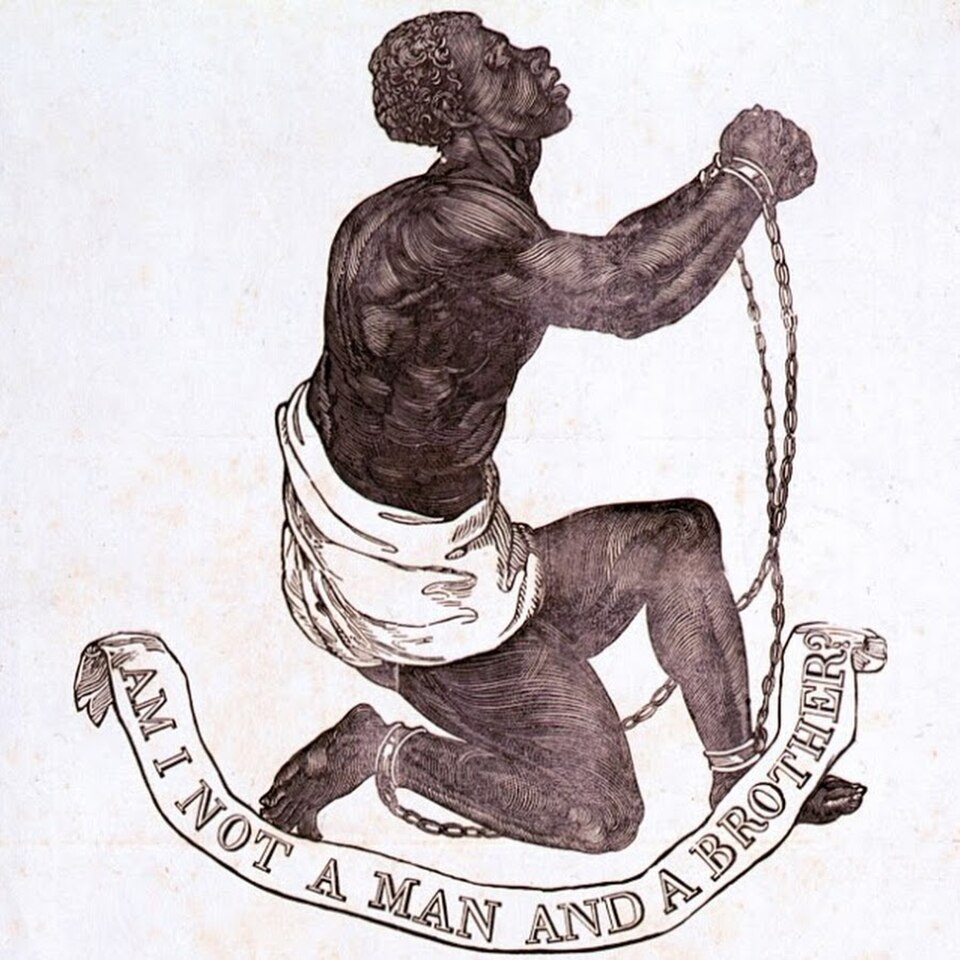
The federal government’s unfulfilled promise of “40 acres and a mule” remains a touchstone for descendants of enslaved people. Today, communities are pursuing reparations through housing assistance, land transfers and compensation for displacement.
Housing as repair
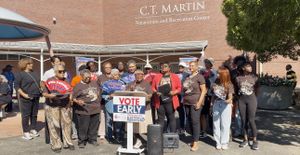
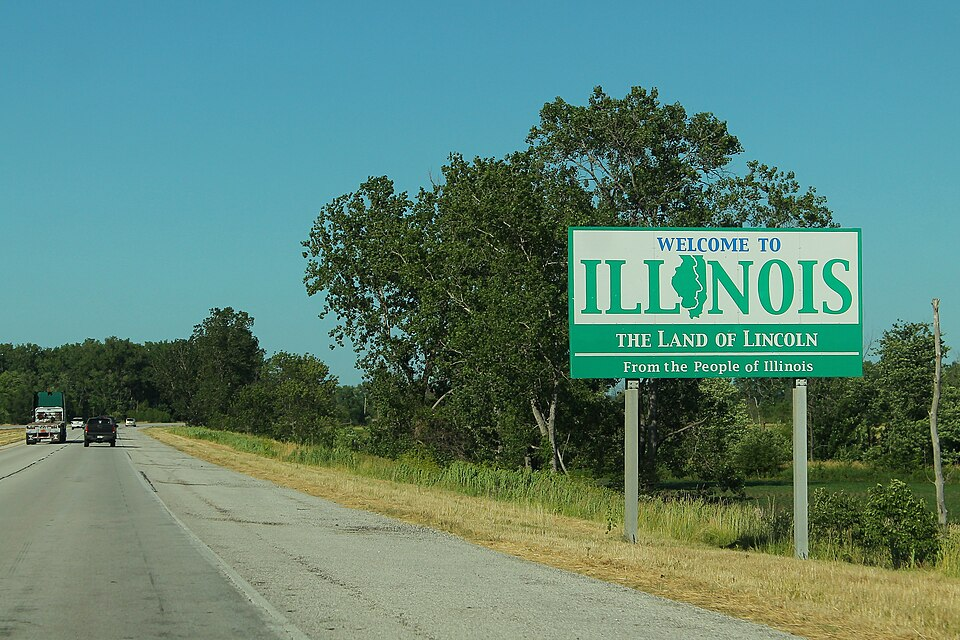
Evanston, Illinois, launched the country’s first publicly funded housing reparations program in 2019. Its Restorative Housing Program has provided disbursements to more than 200 Black residents or direct descendants of residents who experienced housing discrimination between 1919 and 1969. Benefits include mortgage assistance, down payments and home repairs.
A national blueprint
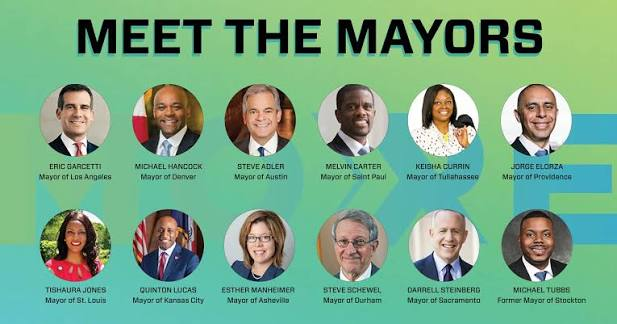
In 2021, 11 mayors formed Mayors Organized for Reparations and Equity to develop local pilot programs. With advice from representatives of Black-led organizations, participating cities sought to show how reparations could work nationally.
Returning ancestral land
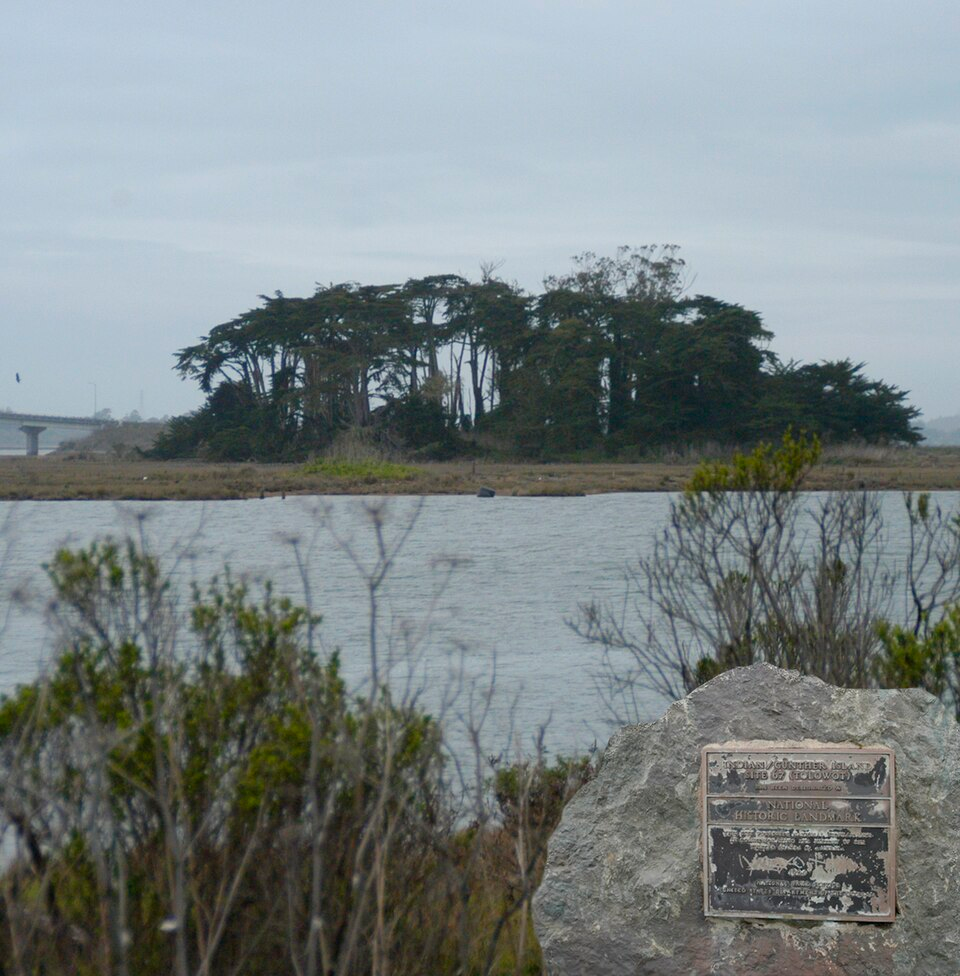
Eureka, California, returned 200 acres of Tuluwat Island to the Wiyot people in 2019. The island was the site of an 1860 massacre of about 200 Wiyot women and children. Indigenous communities often call land return “rematriation,” linking it to sovereignty and sacred relationships with ancestral territory.
Communities step in
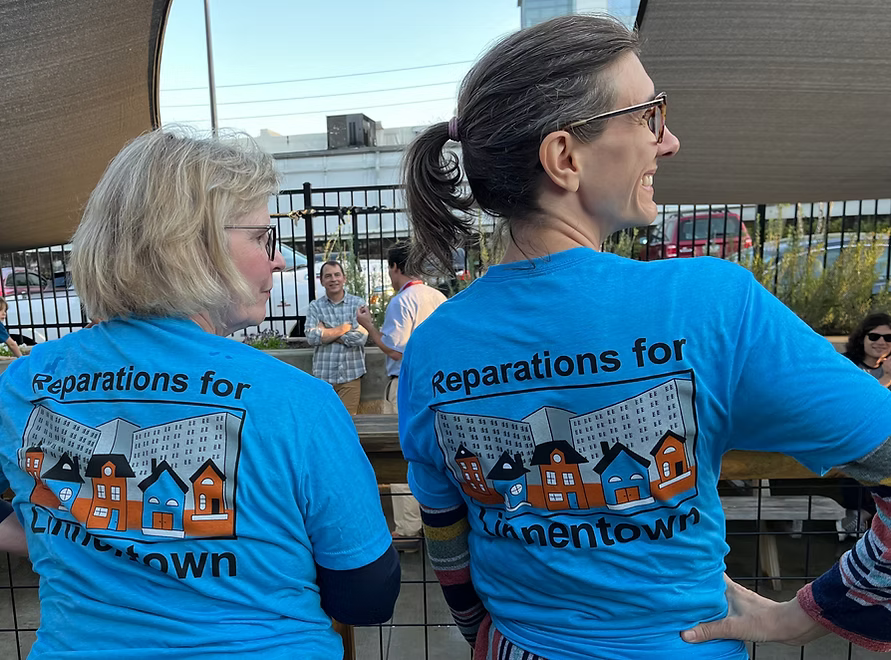
Government is not the only route. Dakota-led Makoce Ikikcupi collects donations to recover ancestral land in Minnesota. In Georgia, Athens Reparations Action raised $120,000 by 2024 for 10 families connected to Linnentown, a Black neighborhood demolished for University of Georgia dormitories.
Obstacles remain
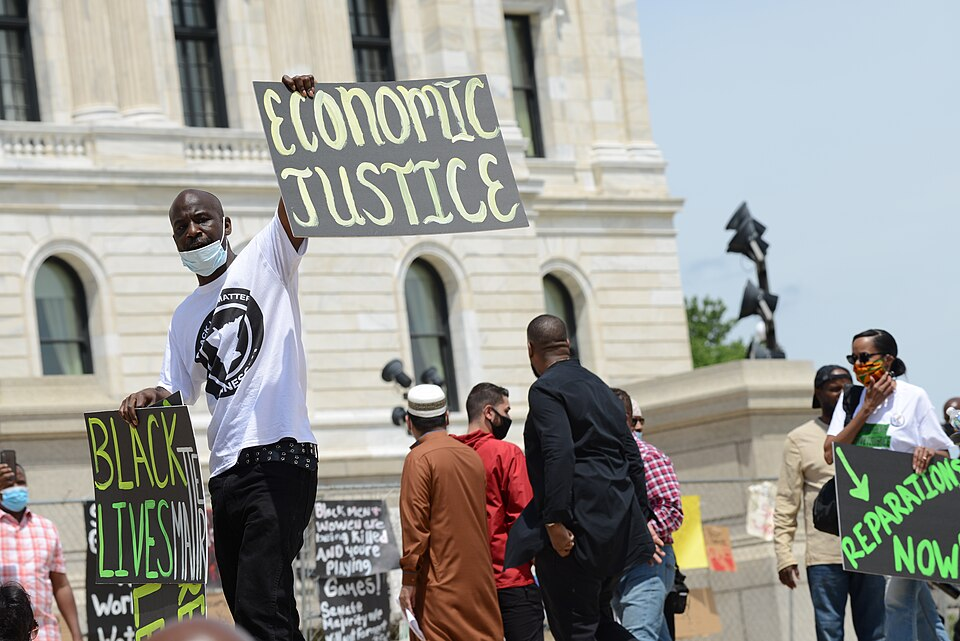
Eligibility, funding and the form of compensation remain complicated. Legal challenges also threaten initiatives, including a 2024 complaint alleging Evanston’s program violates constitutional equal protection guarantees. Such disputes leave communities balancing targeted remedies with legal uncertainty.
The bigger question
What combination of sustained funding, eligibility standards, community leadership and legal protections would allow descendants of enslaved people and displaced Indigenous communities to receive lasting repair and turn local land returns and housing assistance into a broader national commitment?
Additional reparations efforts
- H.R. 40: Federal legislation proposing a commission to study slavery’s continuing effects and recommend reparations; it does not itself authorize payments.
- National African American Reparations Commission: Advocates reparatory justice through a 10-point reparations platform.
- FirstRepair: Provides education, resources and national networking to help leaders advance local reparations policies.
Read the original article.