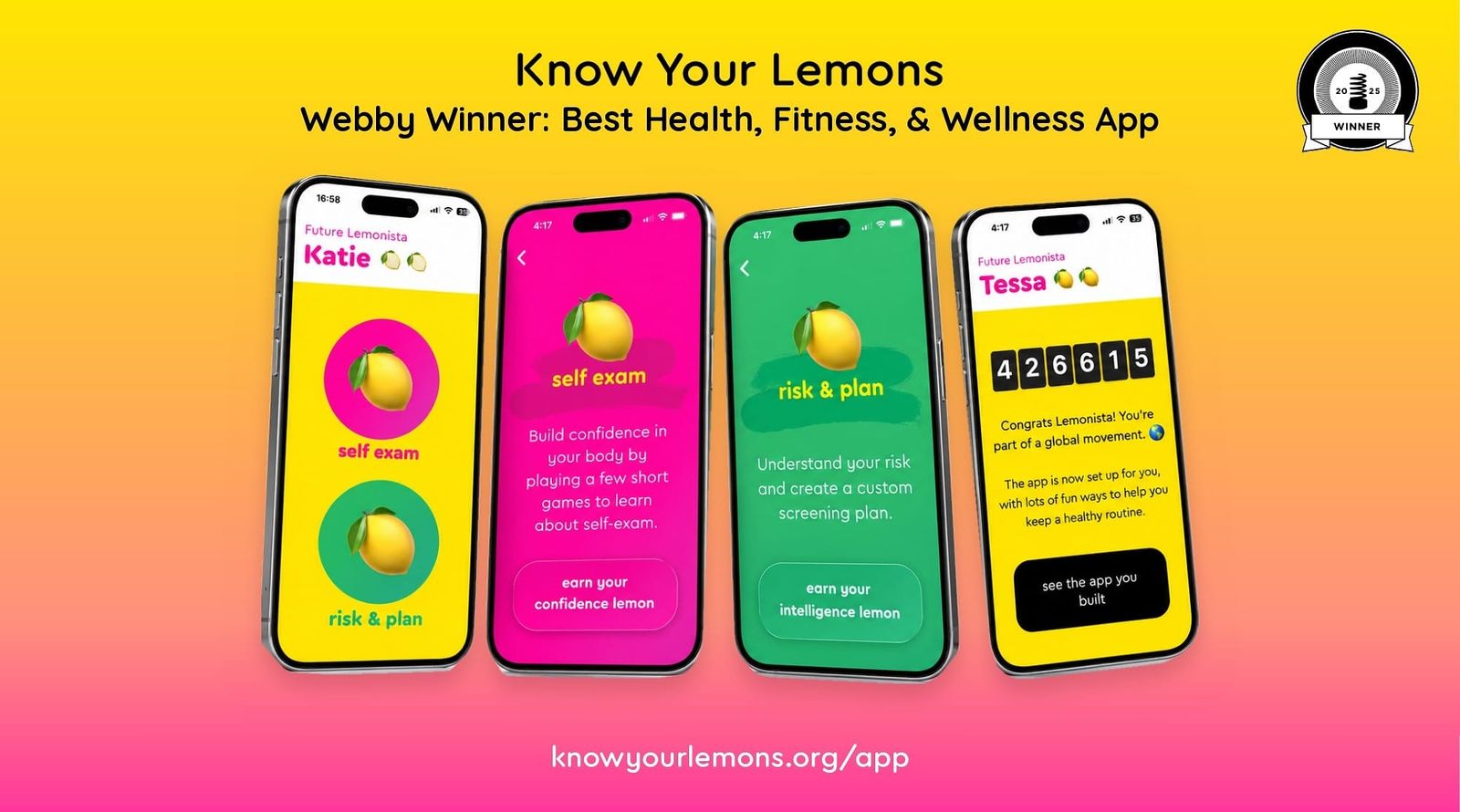
- The Know Your Lemons Foundation has updated its app to help women recognize breast changes.
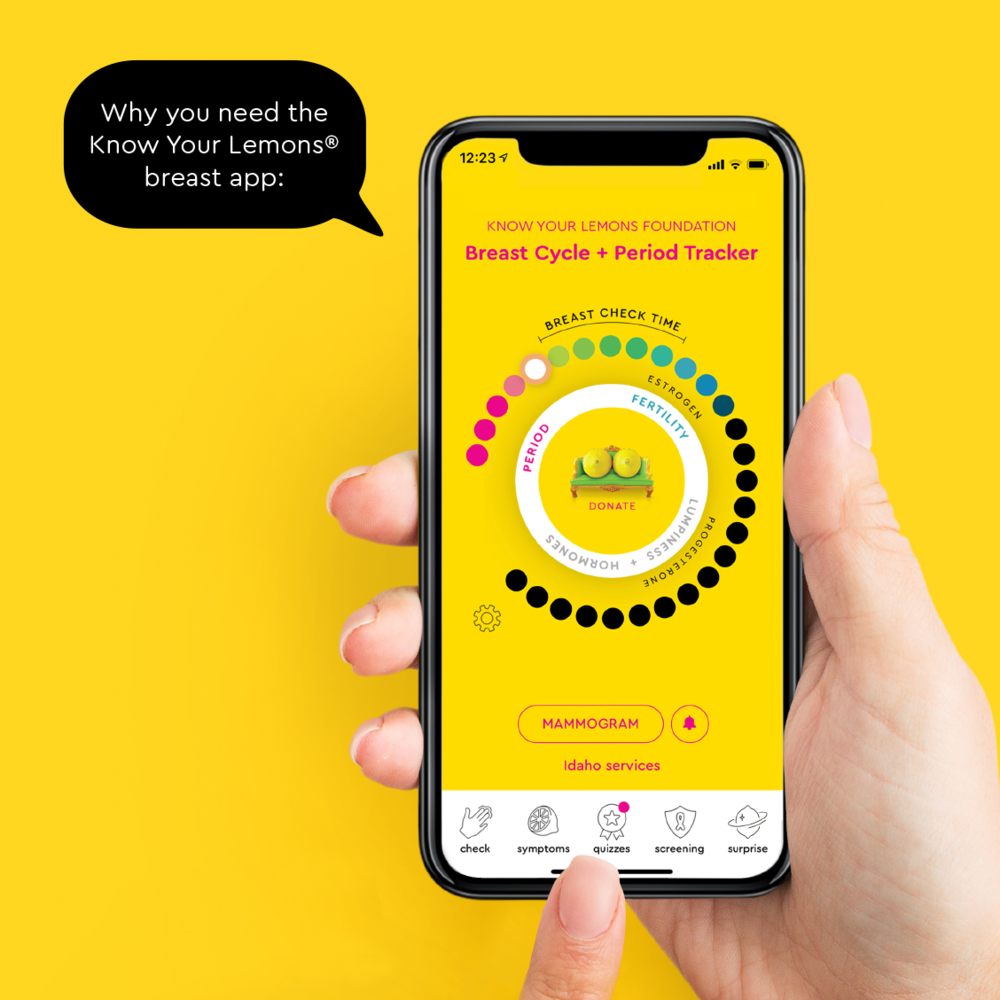
- Games and the foundation’s #Lemonista campaign encourage users to learn about breast health and share that knowledge with others.
- Rising breast cancer diagnoses among younger women and persistent racial disparities highlight the need for accessible education, affordable screening and timely evaluation.
The app’s mission
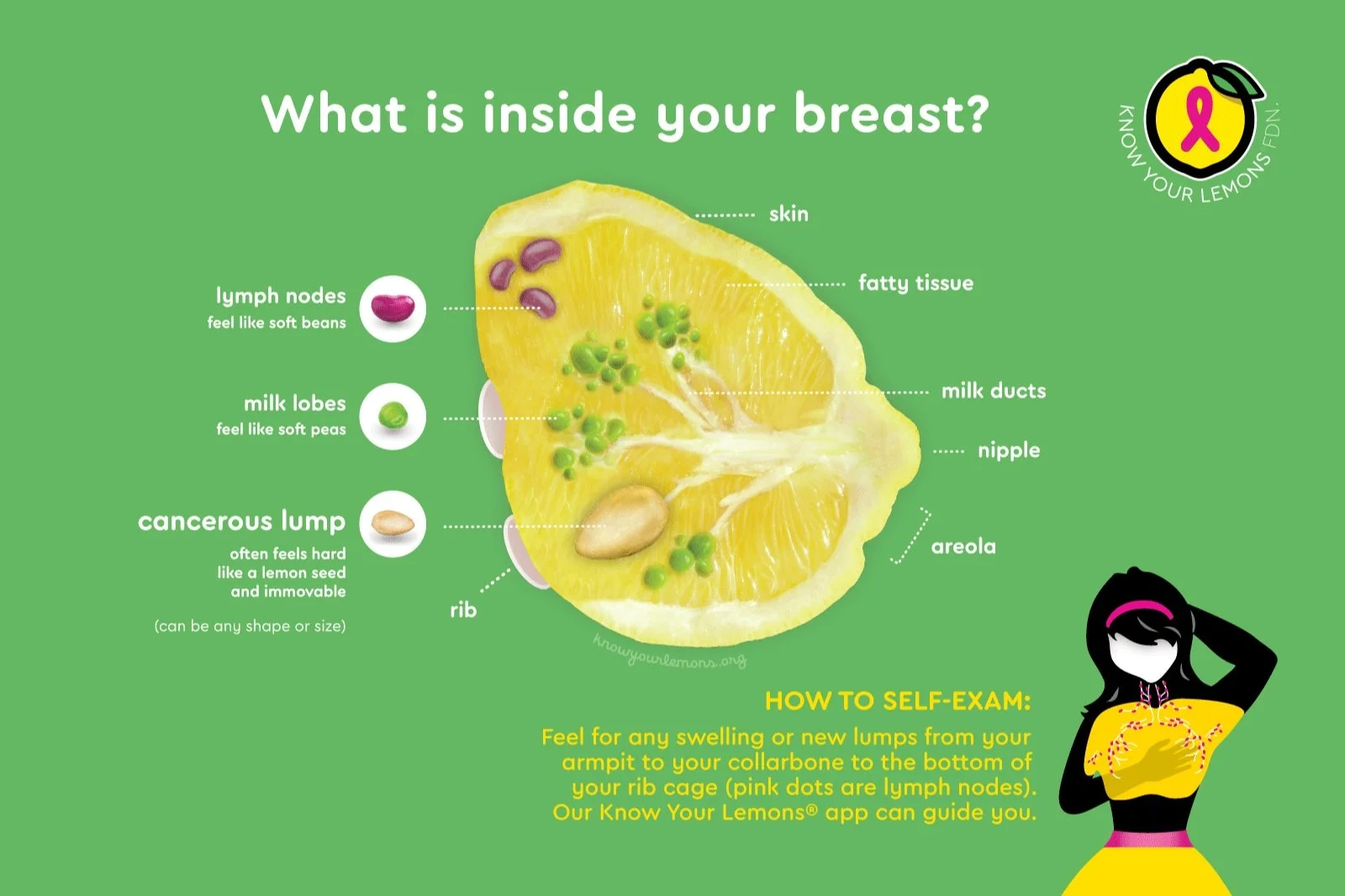
A newly updated app from the Know Your Lemons Foundation aims to turn breast cancer awareness into action, using games to help women recognize breast changes, understand personal risk and plan for screening. The update and its #Lemonista campaign come as rising breast cancer diagnoses among younger women underscore the need for accessible education and timely evaluation.
The Know Your Lemons Foundation has updated its app for Breast Cancer Awareness Month, launching the #Lemonista movement to help women recognize breast changes, assess personal risk and develop screening plans as breast cancer diagnoses rise among younger women.
Learning through games
The nonprofit says games help users build confidence in checking their breasts and understanding individual risk. Users earn two virtual lemons, representing confidence and intelligence, to become a Lemonista. They can share the symbol on social media to encourage others to learn about breast health.
Closing an education gap
The foundation says many women have never learned to check their breasts confidently or completed a risk assessment to help determine when screening should begin. “So often we don't learn about breast health until we have a breast problem,” said Corrine Ellsworth-Beaumont, the foundation’s founder.
A personal warning
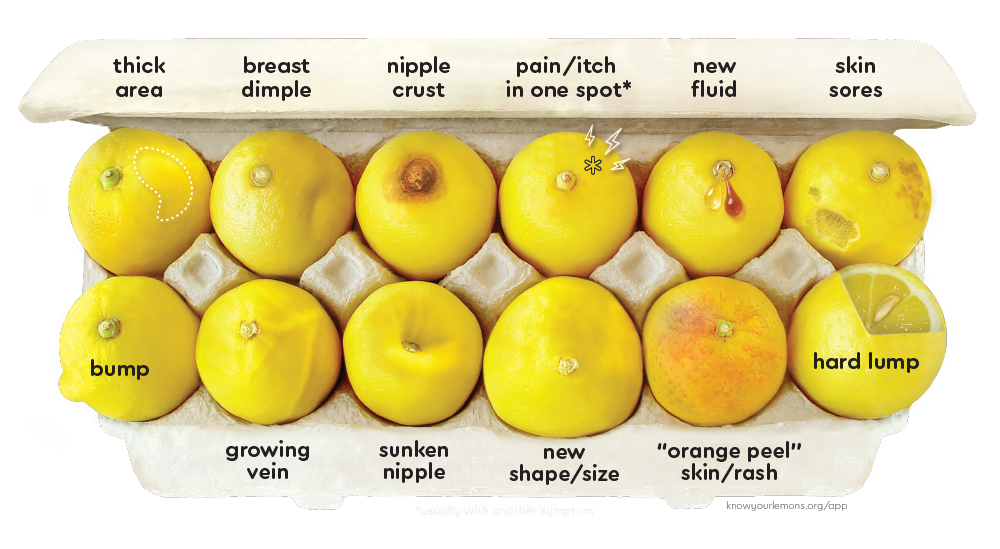
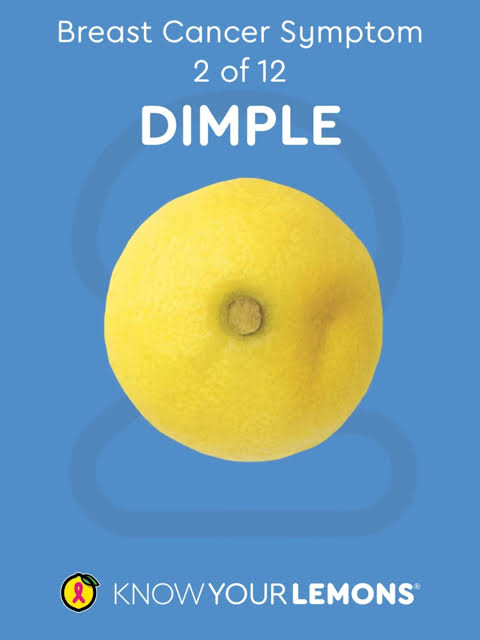
Lynsey White, 24, found a lump under her armpit a week after seeing the foundation’s illustration of 12 breast cancer symptoms. She was diagnosed within weeks. “I was initially told it was nothing to worry about because I was so young. But Know Your Lemons gave me the confidence to advocate for myself and get the testing I needed,” White said.
Rising diagnoses
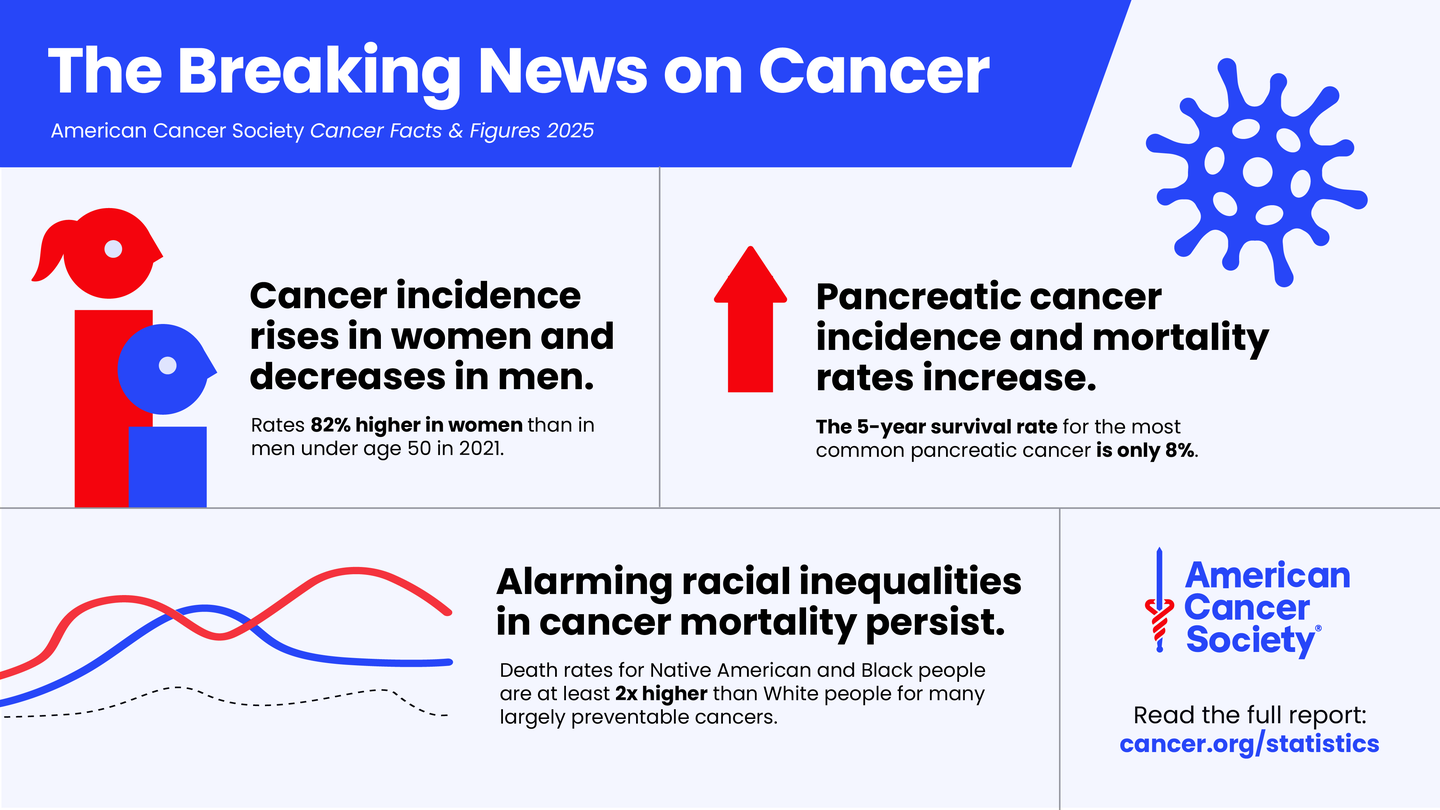
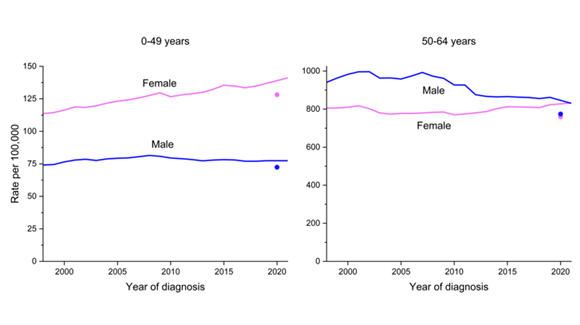
Women younger than 50 had a cancer diagnosis rate 82% higher than men’s in 2021, up from 51% higher in 2002, according to the American Cancer Society’s 2025 statistics. Breast cancer incidence increased 1.4% annually among women younger than 50 from 2012 through 2021, twice the increase among older women.
Uneven progress
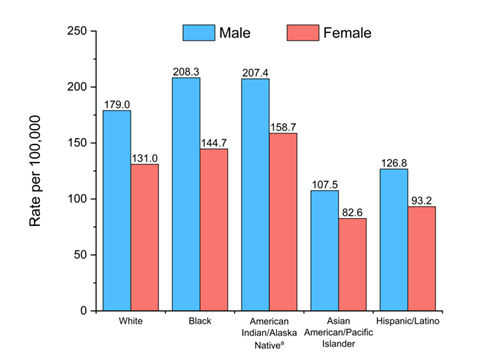
The overall U.S. cancer death rate fell 34% from 1991 through 2022. Yet Black women’s breast cancer death rate remained 38% higher than white women’s despite lower incidence, underscoring persistent disparities alongside broader progress in detection and treatment.

Connecting awareness with access
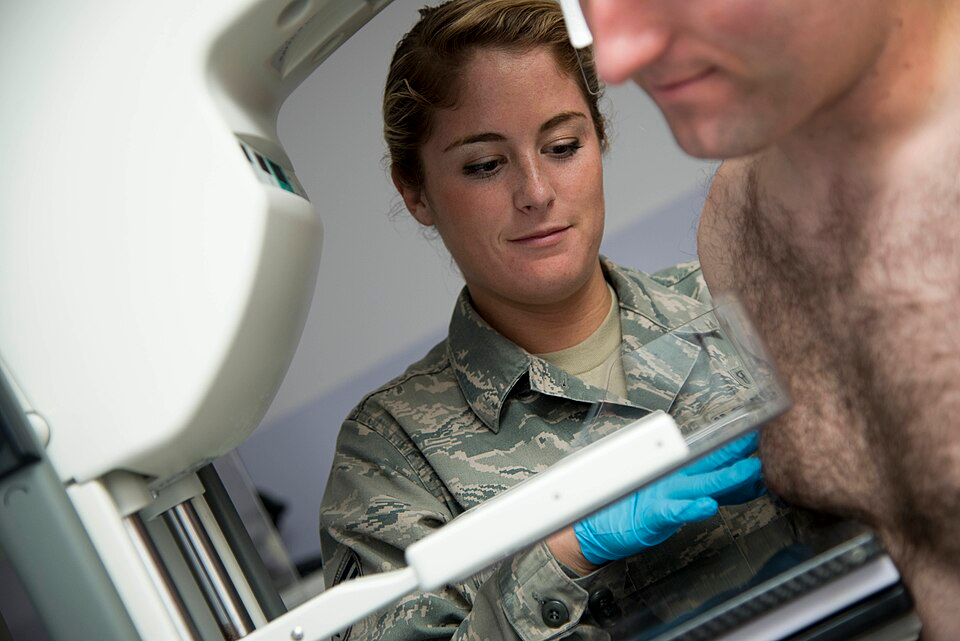
The foundation says its awareness campaign has reached 2 billion people worldwide, with educational materials and its app reaching people in more than 100 countries. Access to screening remains a challenge. Five national or federal programs offer screening coverage or assistance, subject to eligibility. Their services include mammograms, diagnostic testing and financial help through participating programs and facilities.
Beyond detection
Prevention and screening serve different purposes. Avoiding tobacco, limiting alcohol and staying physically active can reduce cancer risk; breast screening seeks to find cancer earlier. These statistics do not establish one explanation for rising diagnoses among younger women.
The bigger question
What is driving the increase and how can prevention research, affordable screening and timely evaluation help protect younger women before more lives are affected?
The stats
The American Cancer Society’s Cancer Facts & Figures 2025 documents rising breast cancer incidence alongside broader progress against cancer.
- Breast cancer incidence increased 1.4% annually among women younger than 50 from 2012 through 2021.cancer
- Incidence increased 0.7% annually among women 50 and older during the same period.cancer
- The overall U.S. cancer death rate declined 34% from 1991 through 2022.
Additional resources
- CDC’s National Breast and Cervical Cancer Early Detection Program: Free or low-cost screenings for qualifying uninsured or underinsured women with low incomes.
- National Breast Cancer Foundation’s National Mammography Program: Free mammograms and diagnostic services through partner facilities.
- Susan G. Komen’s Screening and Diagnostics Program: Screening and diagnostic assistance for eligible individuals.
- American Breast Cancer Foundation’s Breast Cancer Assistance Program: Financial assistance for mammograms and other breast diagnostic tests.
- Medicare Part B: Annual screening mammograms for enrolled women 40 and older.
- American Cancer Society’s Cancer Facts & Figures 2025: Source for cancer incidence and mortality statistics.