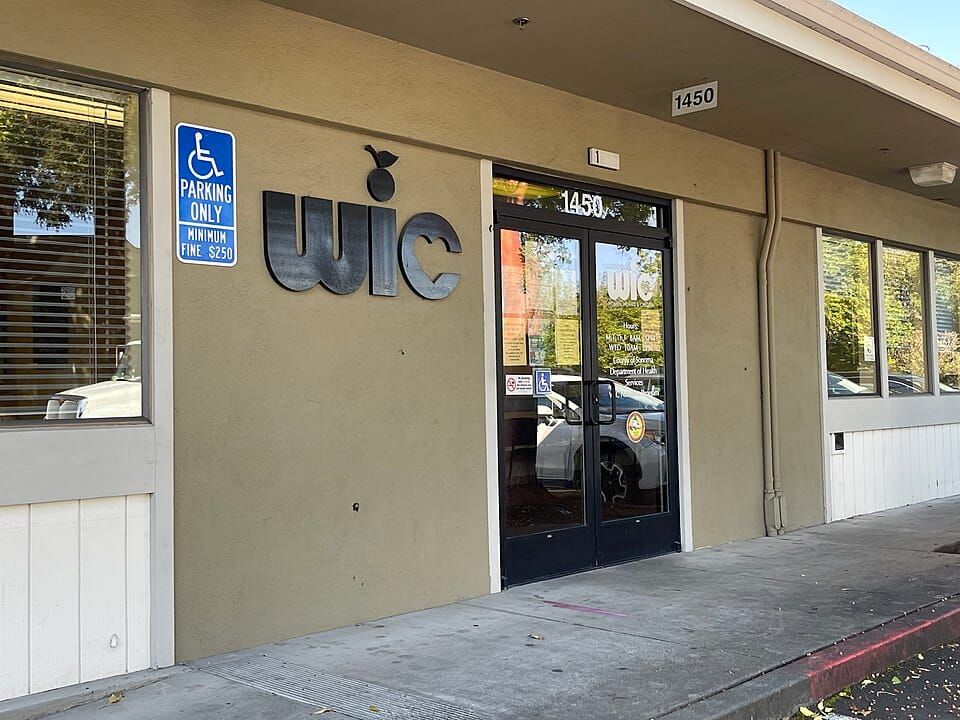
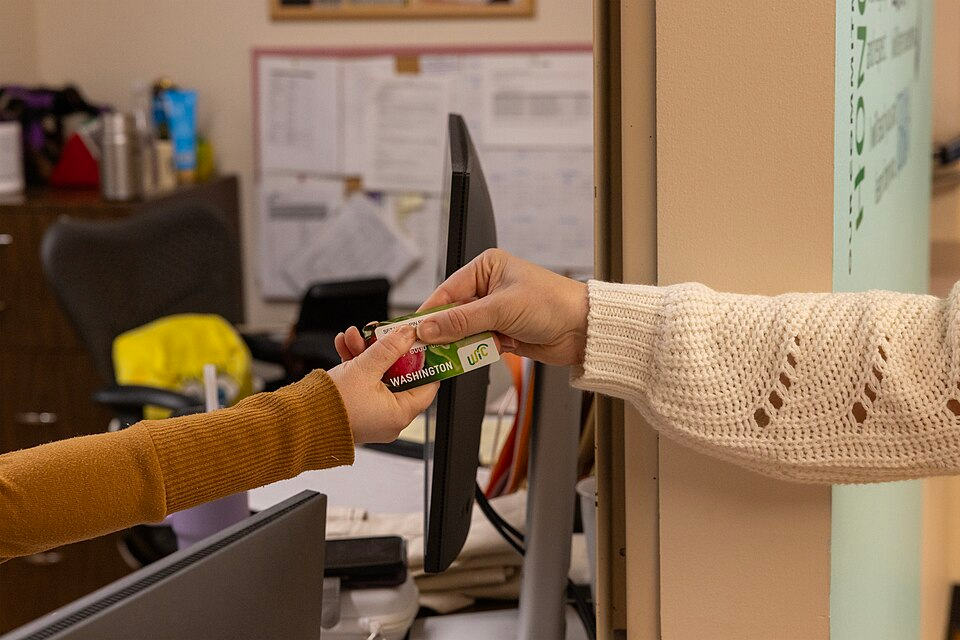
- Umoja Health, JPMA, and the Chickasaw Nation WIC Program launched a pilot that allows WIC participants to order eligible groceries online through WICShopper Online and have them delivered.
- The service is designed to help families facing transportation, mobility or distance barriers shop at WIC-authorized retailers.
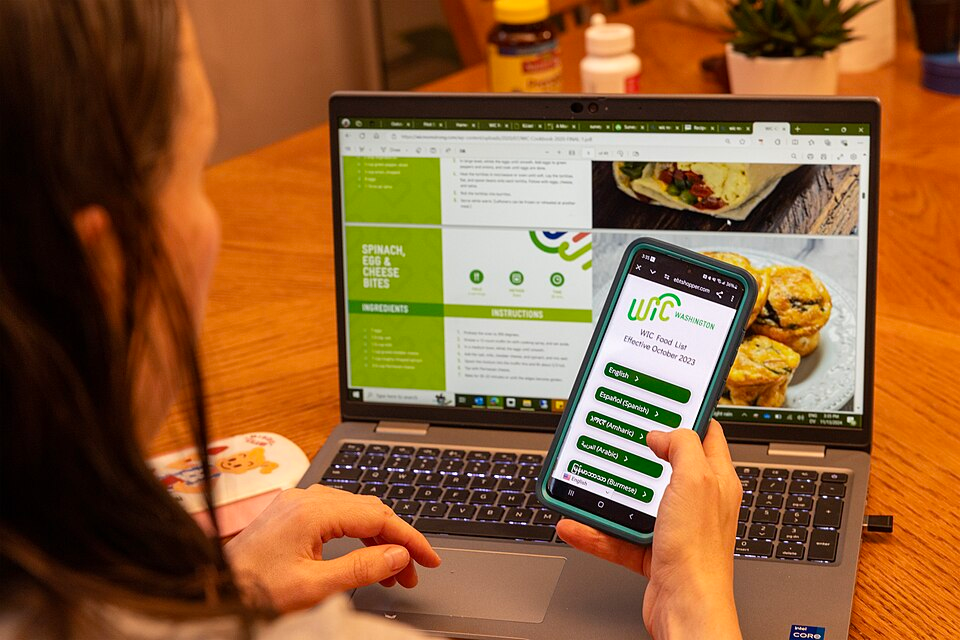
- Participants can find eligible foods, build an order, use benefits and schedule delivery online without entering a PIN at checkout.
Easier access
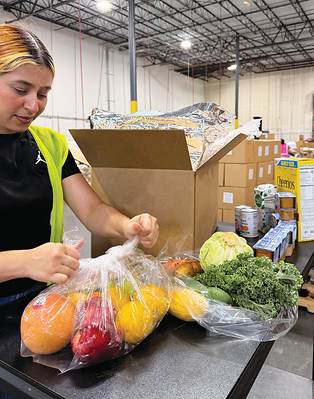
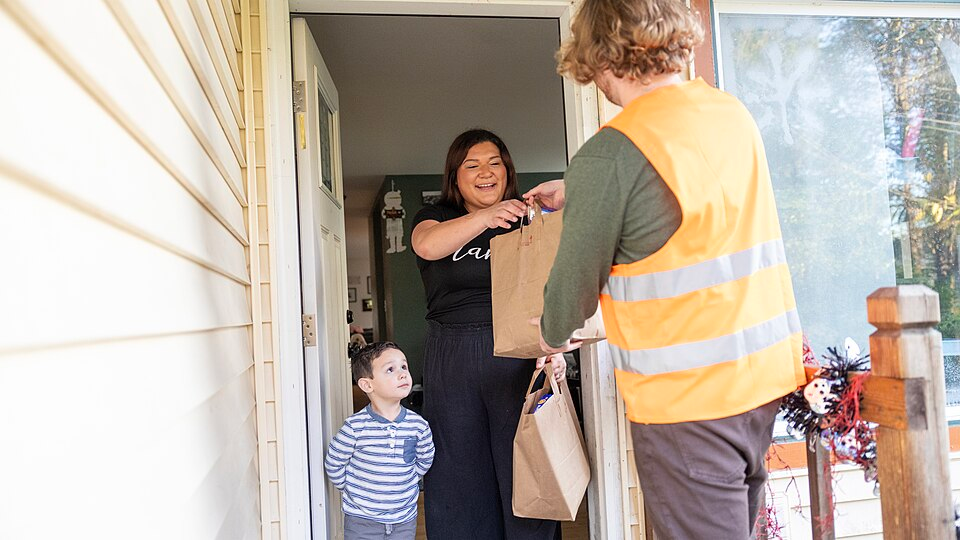
Umoja Health, JPMA, and the Chickasaw Nation WIC Program recently launched a pilot that lets WIC participants order eligible groceries online and have them delivered home through WICShopper Online.
The service lets participants shop from home instead of traveling to a retailer. It is intended for families who have difficulty reaching WIC-authorized stores.
Reducing barriersUmoja Health said the model is designed to help shoppers identify WIC-approved products, manage out-of-stock items and avoid embarrassment at checkout. It also aims to create online sales opportunities for small, independent, minority- and tribal-owned retailers.
WIC's reach
WIC serves pregnant, breastfeeding and postpartum people, infants, and children younger than 5 who are at nutritional risk. The USDA’s Economic Research Service reports that the program served about 6.8 million people per month in fiscal 2025, including an estimated 41% of U.S. infants.
“WICShopper is trusted by over 1.4 million families each month for shopping assistance, and this pilot brings that same trust and reliability to online ordering,” JPMA President Ryan Magee said in a statement. He said online ordering and home delivery could help families access WIC’s nutritional benefits.
Broad reach
WIC serves pregnant, breastfeeding and postpartum people, infants and children up to age 5 who are at nutritional risk. USDA’s Economic Research Service says the program served about 6.8 million people monthly in fiscal 2025, including an estimated 41% of U.S. infants.
"WICShopper is trusted by over 1.4 million families each month for shopping assistance, and this pilot brings that same trust and reliability to online ordering," Ryan Magee, President of JPMA, explained in a statement. "By extending the experience to online ordering and home delivery, we're clearing the way for families to access the full nutritional benefits WIC provides."
The bigger question
As the Trump administration’s cuts affect federal nutrition programs, how will WIC participants’ access to benefits, retailers and home delivery change?
The stats
- SNAP served an average of 42.1 million people per month in fiscal year 2025, representing 12.3% of U.S. residents. Source: USDA Economic Research Service
- About 18.3 million U.S. households, or 13.7%, experienced food insecurity in 2024. Source: USDA Economic Research Service
- Among U.S. households with children, 6.7 million experienced food insecurity in 2024. Source: USDA Economic Research Service
- An estimated 18.8 million people lived in low-income, low-access areas and far from a supermarket in 2019. Source: USDA Economic Research Service, Food Access Research Atlas.
- WIC served approximately 6.9 million participants per month in fiscal year 2025, including an estimated 41% of U.S. infants. Source: USDA Economic Research Service, “WIC Program.
Additional resources
Families facing food insecurity may also qualify for:
- Supplemental Nutrition Assistance Program (SNAP) - supplements grocery budgets for low-income households.
- National School Lunch Program - supports nutritious meals in schools.
- School Breakfast Program - reimburses states for nonprofit school breakfasts.
- Summer EBT - a permanent federal program that provides summer food benefits to eligible children.
- Commodity Supplemental Food Program - provides supplemental foods to eligible people.